
The Three-Body Problem: Geopolitics, Climate Change and AI

Miville Tremblay has over 35 years experience in economics and finance, including at the Bank of Canada and La Caisse. Since 2020, he has been a regular op-ed contributor at La Presse.
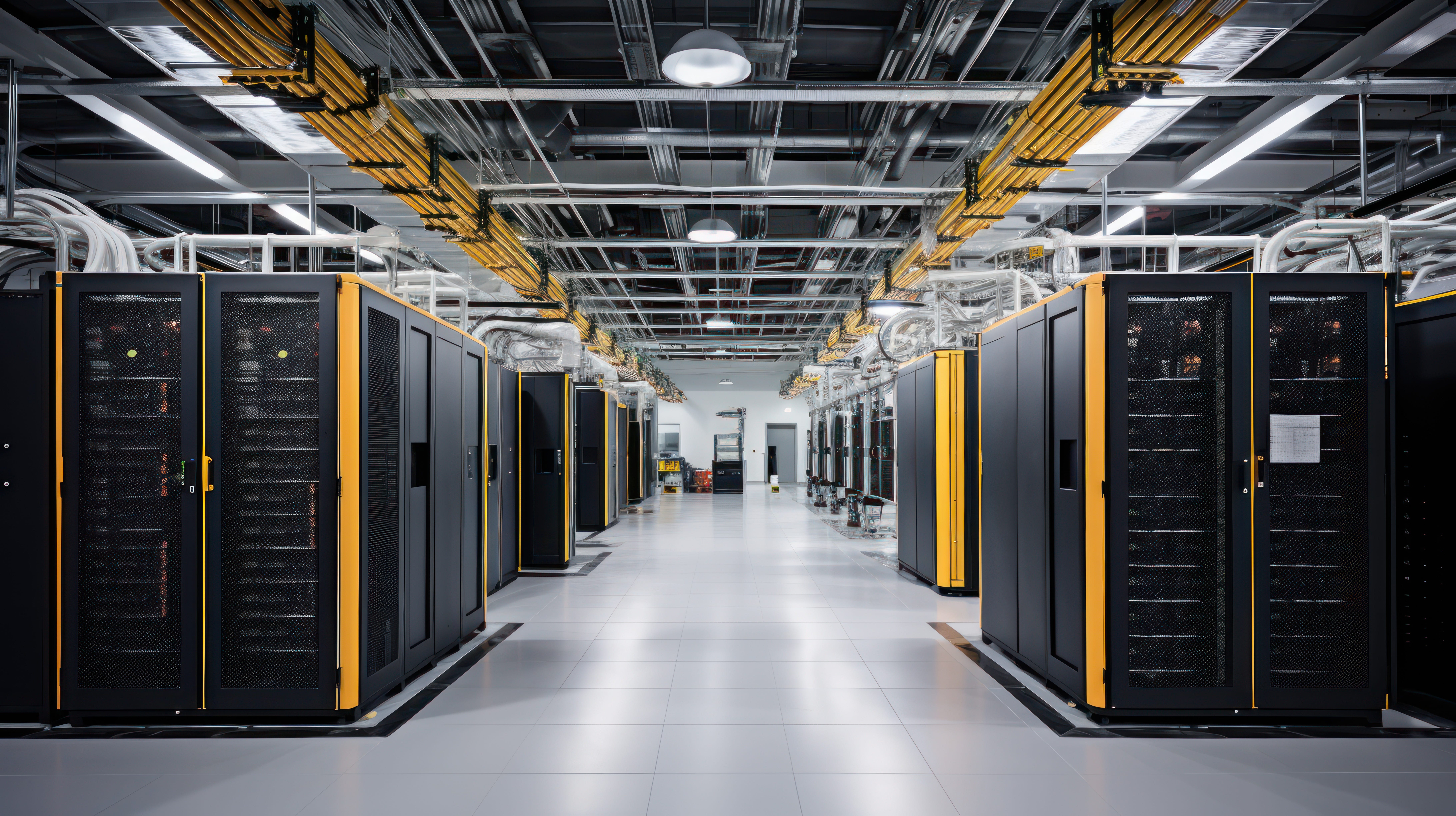
I borrow the title of the science‑fiction novel by Chinese writer Liu Cixin to illustrate the complex interaction between three critical forces—geopolitics, climate change, and artificial intelligence—which all share a common denominator: energy.
The novel, and the Netflix series inspired by it, rests on a well‑known principle of physics: the trajectories of three celestial bodies that exert mutual influence cannot be predicted. Likewise, it is illusory to believe that we can foresee the combined evolution of the three dynamics currently reshaping our world, now plunged into a state of radical uncertainty.
In the book, extraterrestrials try to invade Earth because their own planet has been rendered uninhabitable by the chaotic behaviour of three suns. Setting aside such an invasion—for now—let us sketch, in broad strokes, the forces at play.
On the geopolitical stage, the suns—or rather the black holes—threatening our existence are the United States, China, and Russia. Washington behaves like an unpredictable predator, repudiating the liberal order it itself established after the Second World War. Through massive exports of subsidized goods, Beijing quietly exploits other nations and destroys their industrial base. Moscow seeks to rebuild its empire by force; should Ukraine fall, the Baltic states would follow, then Poland.
Climate change, despite posing an existential threat, has been pushed to the background under the fallacious pretext that other matters are more urgent and that there will be time to address it later. And yet we know that neglect only worsens the danger and makes solutions more costly. Worse still, this abdication leaves China free to seize major commercial opportunities.
Artificial intelligence promises marvels, but the ultra rich, libertarian‑minded tech bros engineering it are engaged in a reckless race in which caution is discarded and regulation rejected. Elon Musk speaks in all seriousness of colonizing Mars when our beleaguered Earth becomes uninhabitable.
Each of these profound transformations is difficult to grasp on its own. Taken together, they are dizzying.
The United States and Israel—a global power and a regional one—have sought to rein in Iran, an ally of Russia and a key oil supplier to China. They used AI to select bombing targets, but the Ayatollahs’ regime retaliated by squeezing the global oil and gas market at the Strait of Hormuz—an instrument far more effective than the atomic bomb they threatened to build.
This new energy crisis, coming just four years after Europe’s abrupt break with the Russian gas on which it depended, forces a deep reassessment of energy security worldwide.
Renewable energy—cheap and relatively quick to deploy—together with the electrification of transportation as well as greater energy efficiency offer rapidly expanding solutions everywhere except North America, which remains stubbornly attached to the past. Yet renewables replace dependence on petro‑states with dependence on China, which dominates the markets for solar and wind equipment, batteries, and electric vehicles.
The United States presents itself as a “reliable supplier” of liquefied natural gas and oil, but its credibility has been undermined since President Trump dashed its standing as a reliable trade partner.
Meanwhile, U.S. energy demand is rising as massive investments flow into AI computing capacity, driving up electricity prices. Hyperscalers such as Amazon, Microsoft, Google, and Meta often rely on natural gas to power their generators. One can only hope that AI will help optimize electrical grids that urgently need reinforcement.
In an uncertain world, Prime Minister Mark Carney likes to say, “a plan beats no plan.” His plan is to turn Canada into an energy superpower by playing on all fronts: electrification to decarbonize the domestic economy, mining the critical minerals the world needs for its energy transition, along with oil and gas exports, for as long as they remain profitable. This compromise infuriates environmentalists, but any savvy financier diversifies investments, knowing that some will inevitably fail.
Most countries—especially middle powers justifiably wary of the three great powers—have a strong interest in diversifying their energy sources, both by type and by geographic origin. This presents an opportunity for Canada to meet part of that demand, at least until the global economy is fully decarbonized in line with the Paris Agreement.
That said, massive investments will be required to build the infrastructure needed to export these resources. The multibillion‑dollar question is who will pay, given that governments lack the means, even with the addition of instruments such as the Canada Strong Fund, about which little is yet known.
Federal and provincial governments can stimulate investment by creating a more attractive regulatory and fiscal framework. They can also help de‑risk certain projects through minority financial participation. Ultimately, however, companies and private capital, both Canadian and foreign, must bear the greatest risks, including the anticipated decline in demand for hydrocarbons.
The work of the newly created Taxonomy and Transition Planning Council will guide sustainability‑minded investors in defining which kind of projects are credibly green and which ones will lead to real decarbonization.
Together, we must act quickly. I would not wager much on our survival as a country if we remain paralyzed by fear of change.
A version of this article also appeared in La Presse.
 | A guest post by
|
https://glenroberts911399.substack.com/p/the-level-8-mind-in-a-level-4-world?r=1pgr4n&utm_medium=ios